 Blog News What does it mean to be human in the age of AI? Our co-CEO joins the founding group of WE21
What does it mean to be human in the age of AI? Our co-CEO joins the founding group of WE21
At Boldare we work with AI every day and we want to do it consciously, as people who choose how to live and build with this technology at their side rather than people who wait to see what it brings. That is why our co-CEO, Anna Zarudzka, spent the first days of October at the H-FARM campus near Venice, where she took part in the first circle of WE21, an international initiative about the human side of artificial intelligence, and where she became one of its founders.
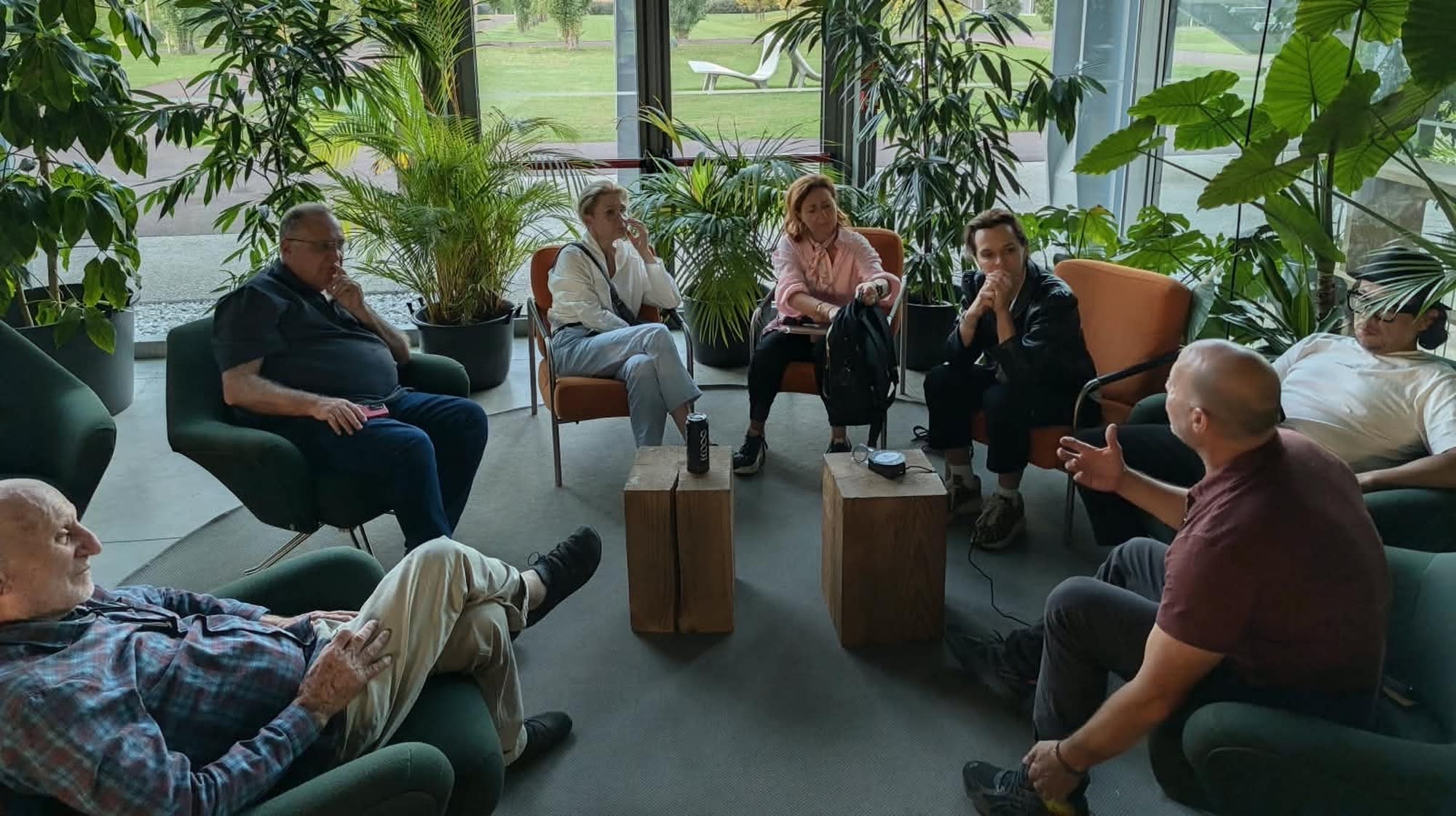
Table of contents
An initiative built from circles of 21
WE21 grows through circles, each of which gathers 21 people for at least three days in a place where nature is part of the setting, and each of which is deliberately diverse, so that educators, entrepreneurs, technologists, artists and people from different generations work on the same question together.
There are no panels, no pitches and no company presentations, and instead of listening to speakers everyone in the circle is both a teacher and a learner, which is also why the people who take part are called founders rather than participants: they are expected to take the idea further and to build the next circles themselves.
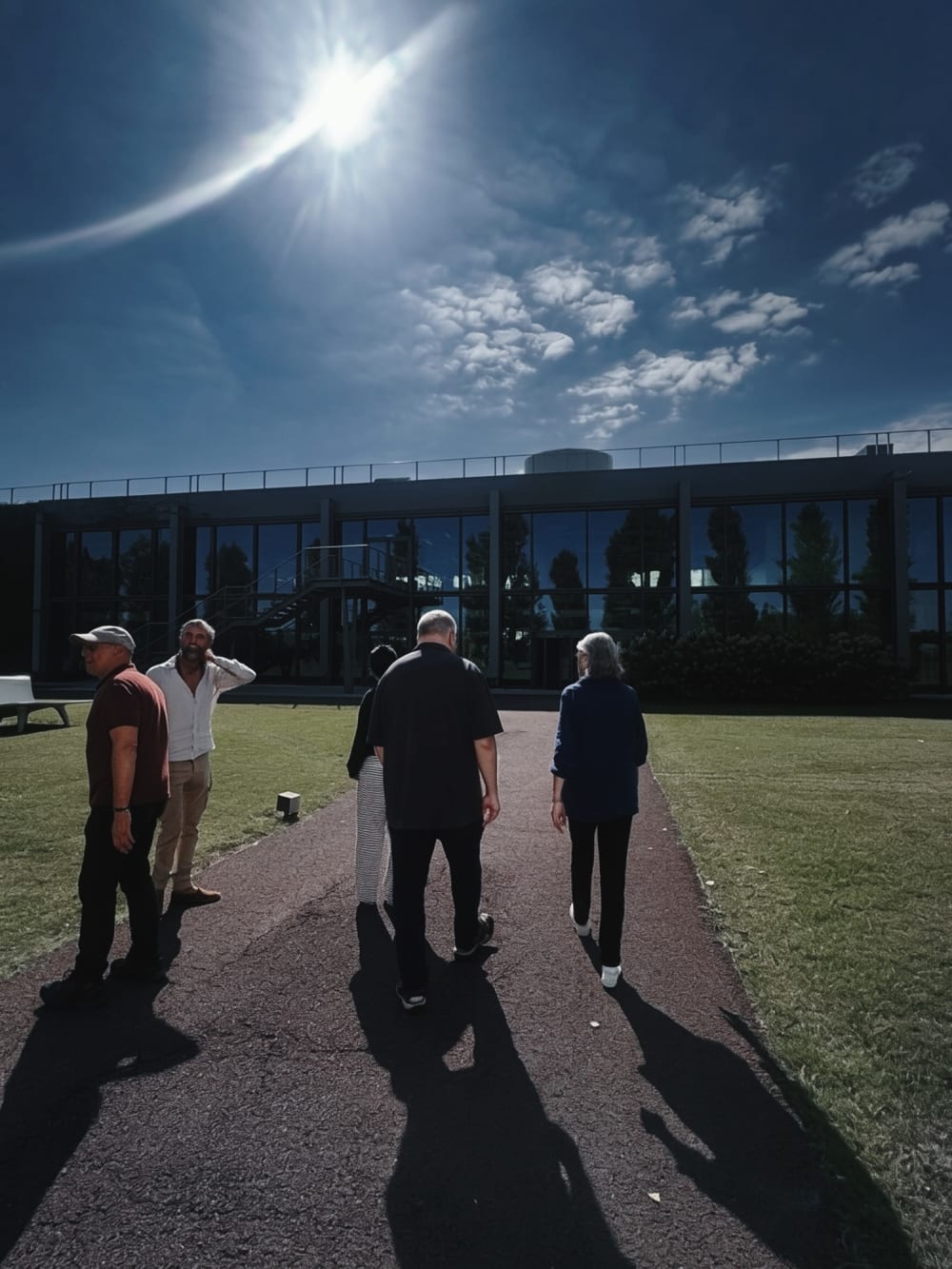
The days are spent in changing configurations, from the full group of 21, through smaller groups of seven and three, down to pairs who talk while walking, so that every person gets to hear and be heard in more than one way.
The question the first circle worked on
The first circle asked what it means to be human in the age of artificial superintelligence, or, in practical terms, who a person should become when AI can take over a growing part of what we do.
Several answers came out of four days of work. Some people argued that what remains human is what is unique in each of us, the part that AI cannot average out, others pointed to the process of doing things, which stays ours even when the outcome can be produced by a machine, and still others treated AI as a mirror that makes us look more carefully at how our own minds work. The group did not choose one answer, and Anna considers that a result rather than a failure, because a group that disagrees openly is a group that can be trusted to keep thinking.

How people get into a circle
Each new circle is started by three people who were part of a previous one, and everyone who joins comes through an invitation from someone they know and trust, who in turn vouches for them in front of the group. This is how WE21 protects the diversity it depends on, since trust between individuals brings in people whom no open call would reach, and it is also why the first circle agreed on a few guidelines for the editions that follow: mix generations and sectors, choose a place close to nature, keep the group at 21 people and give it at least three days together.
Why this matters to Boldare
Anna is in WE21 as one of its founders, in her own name, since the circles are made of people rather than organisations. What she brings back matters to us all the same, because we want our teams and our clients to work with AI consciously and with confidence, treating it as a partner rather than a threat, and that way of thinking takes shape in rooms where technology meets education, art and everyday life. WE21 is one of those rooms, and having our co-CEO among the people who shape it gives us a perspective that we would not find on the technology side alone.
What comes next
New circles are already being prepared in several countries, and one of them will take place in Poland, where Anna is co-organising an edition planned for April 2027.
For two days we agreed with each other far too easily, and the group only became credible when people started to argue about ideas. That, and the fact that everyone came because they trusted one person rather than a programme, is what I want to bring into the circle we are organising in Poland.
Anna Zarudzka, Co-CEO of Boldare
Share this article: